










With the holidays approaching, many people look forward to unique and festive traditions, such as lighting candles, decorating Christmas trees, preparing elaborate meals, and more. But, for the Jews, one steadfast tradition during the holiday season is playing with the dreidel during Hanukkah. As this game is extremely popular among children and families, it raises the question: What is the history behind the dreidel, what does it mean, and why do we continue to play with it in modern times?
What is it?
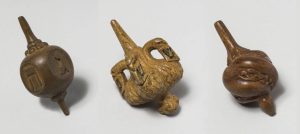
First, what exactly is a dreidel, and how do you play with it? Known as a sevivon in Hebrew, a dreidel is a spinning top with four sides. On each side, there is a specific Hebrew letter with a meaning. To begin playing, each participant starts with an equal number of tokens, either gelt (choco- late coins), real money, or some other sort of currency. Then, players take turns spinning the dreidel; the letter that is face up determines what that player will receive. Nun is nothing, Gimmel means take everything in the pot, Hay signifies taking half the pot, and Shin means put one token in the pot. By the end of the game, whoever has the most tokens wins and gets to take the whole pot.
What is its history?
There are many reasons why Jews play with dreidels during Hanukkah. Most of these explanations come from Hebrew history and legend. During the time of the Greek rule over the Jewish people (Maccabees), the Jews were forbidden from learning and teaching Torah. Wanting to continue to study their religion and defying Greek rule, Jewish children continued to read the Torah. When a Greek official would walk by, the children would quickly hide their books and take out spinning tops, claiming they were just playing games and having fun. Hence, this tradition continued long after Greek persecution.
While this story is extremely popular among the Jewish people, another explanation for the origin of the dreidel is that it is from a Roman four-sided spinning top. This game eventually spread to England and German-speaking areas, where it was adopted by the Jews. When European Jews emigrated to the U.S. and other countries and sought to create new Jewish identities and traditions, the game of dreidel was slightly changed to fit the narrative of Hanukkah better.
What is the significance?
The letters on the dreidel have significance relating to the story of Hanukkah. Each letter on the dreidel is the first letter of a Hebrew phrase stating: Nes gadol haya sham, or “a great miracle happened there”. This phrase relates back to the idea of the Jewish holiday, where the Maccabees defeated the Greeks, regained their right to practice Judaism, and the oil lasted eight nights. Overall, the dreidel symbolizes Jewish resistance, hope for a plentiful and free future, and the desire to create a Jewish identity all over the world.
The game of dreidel has evolved to become one of the favorite traditions of Jews all around the world. Being played every year during Ha- nukkah, it brings families together, spreads joy, and symbolizes the hope of the holiday. The rich history and significance of the dreidel make it even more important to the Jewish culture overall.